

Specialists Explain Why Some Back Pain Cases Should Not Be Delayed
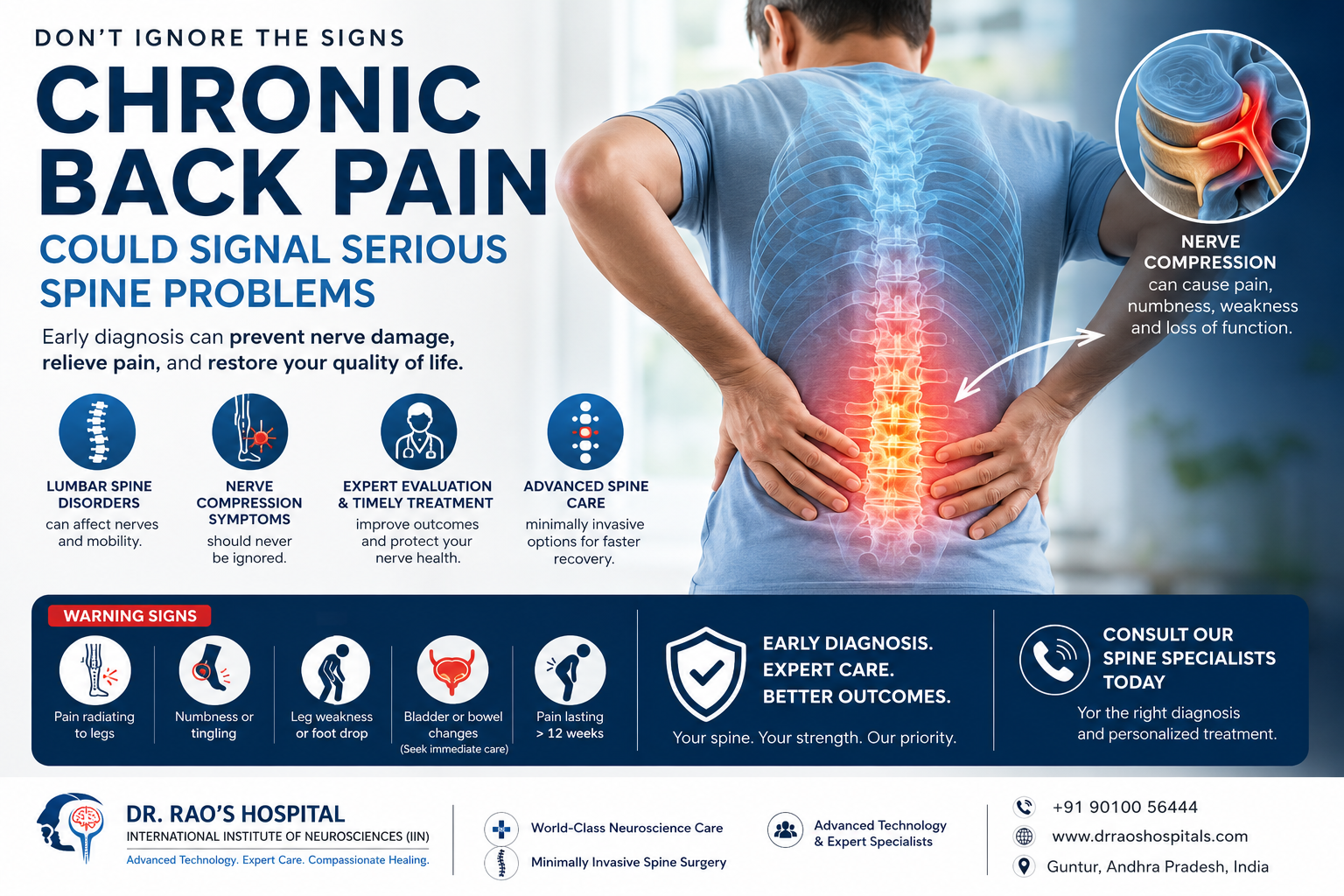
Persistent back pain accompanied by leg weakness, numbness, or sciatica may indicate lumbar spine disorders or nerve compression. Early diagnosis and individualized treatment can help preserve neurological function and improve long-term outcomes.
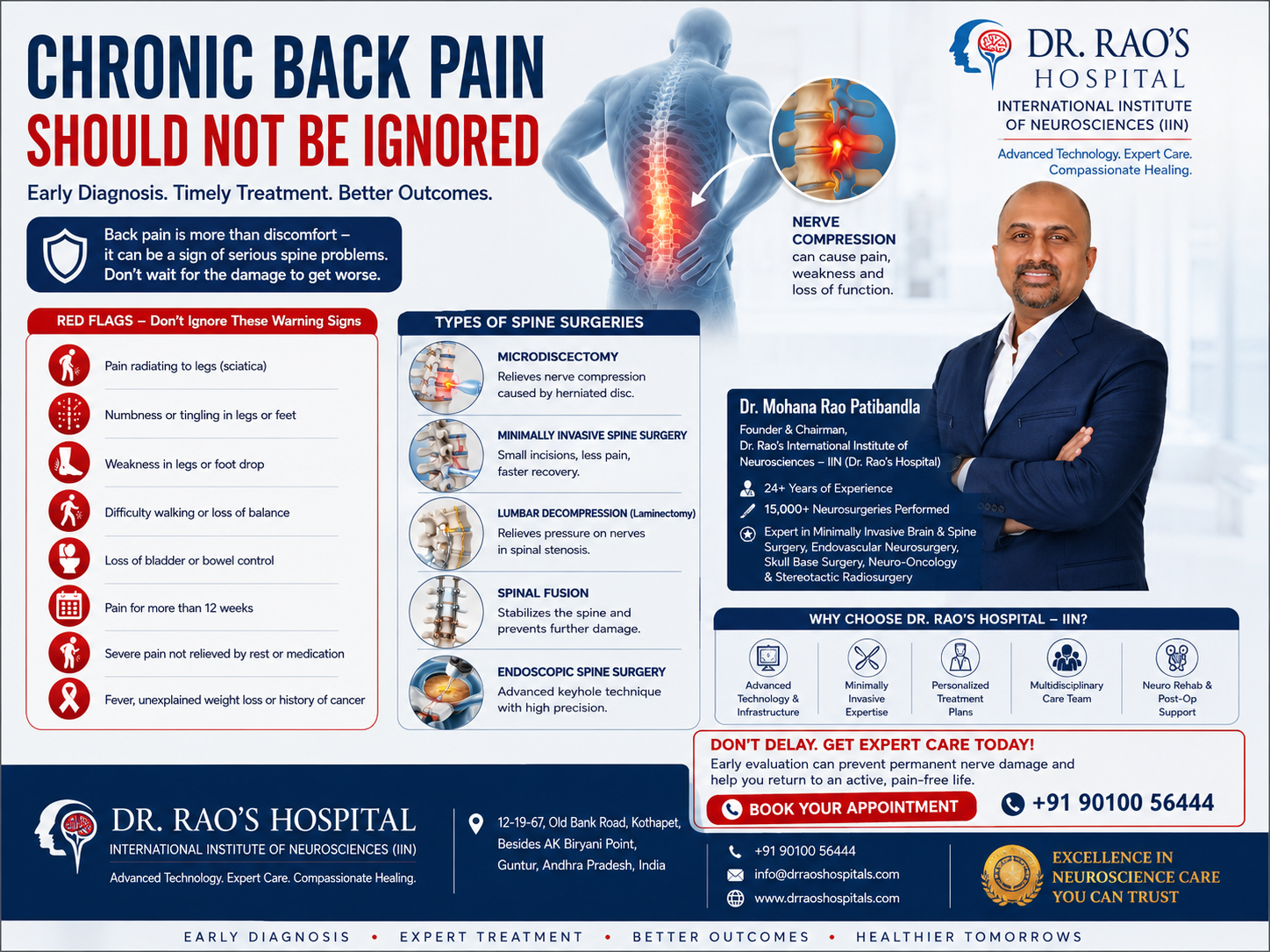
Dr. Mohana Rao Patibandla explains the warning signs of chronic back pain, symptoms of nerve compression, and modern spine surgery options. Early diagnosis and personalized treatment at Dr. Rao's Hospital – International Institute of Neurosciences (IIN) c
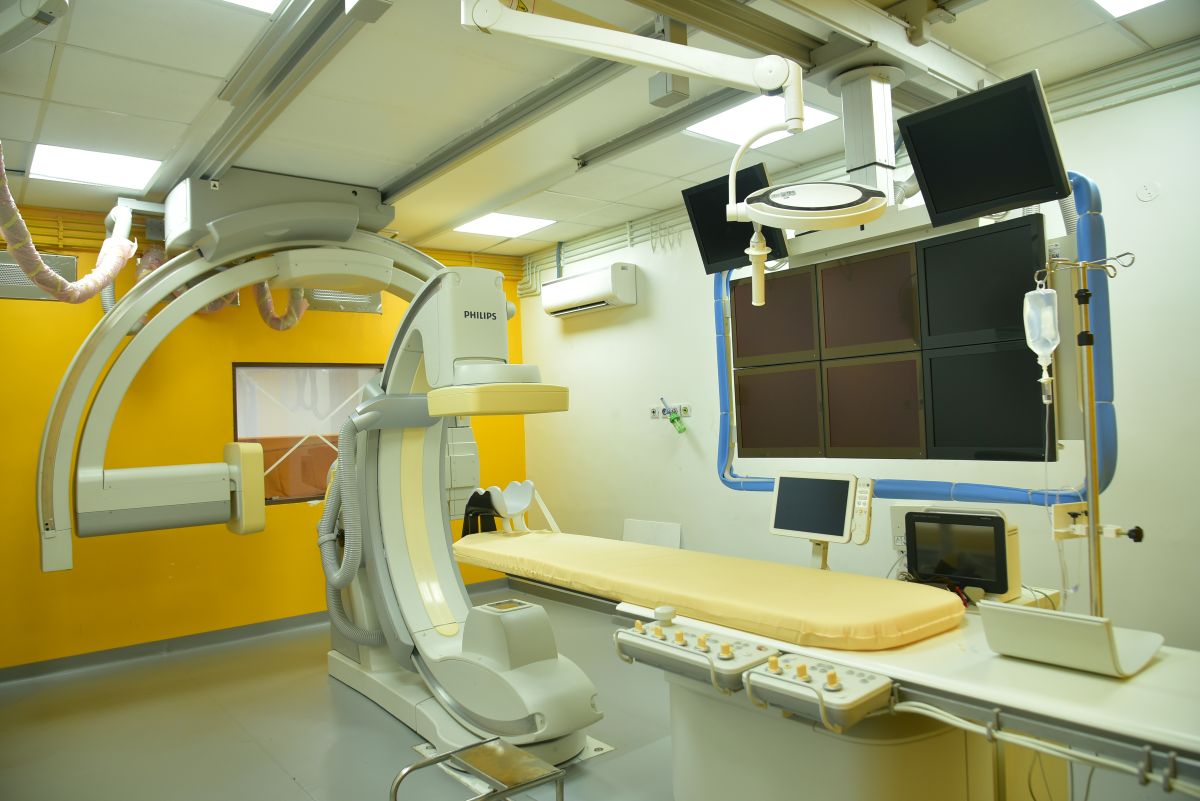
The advanced biplane cath lab at Dr. Rao's Hospital, designed for precision neurovascular procedures and minimally invasive surgeries, first in Andhra Pradesh and Telangana in India.
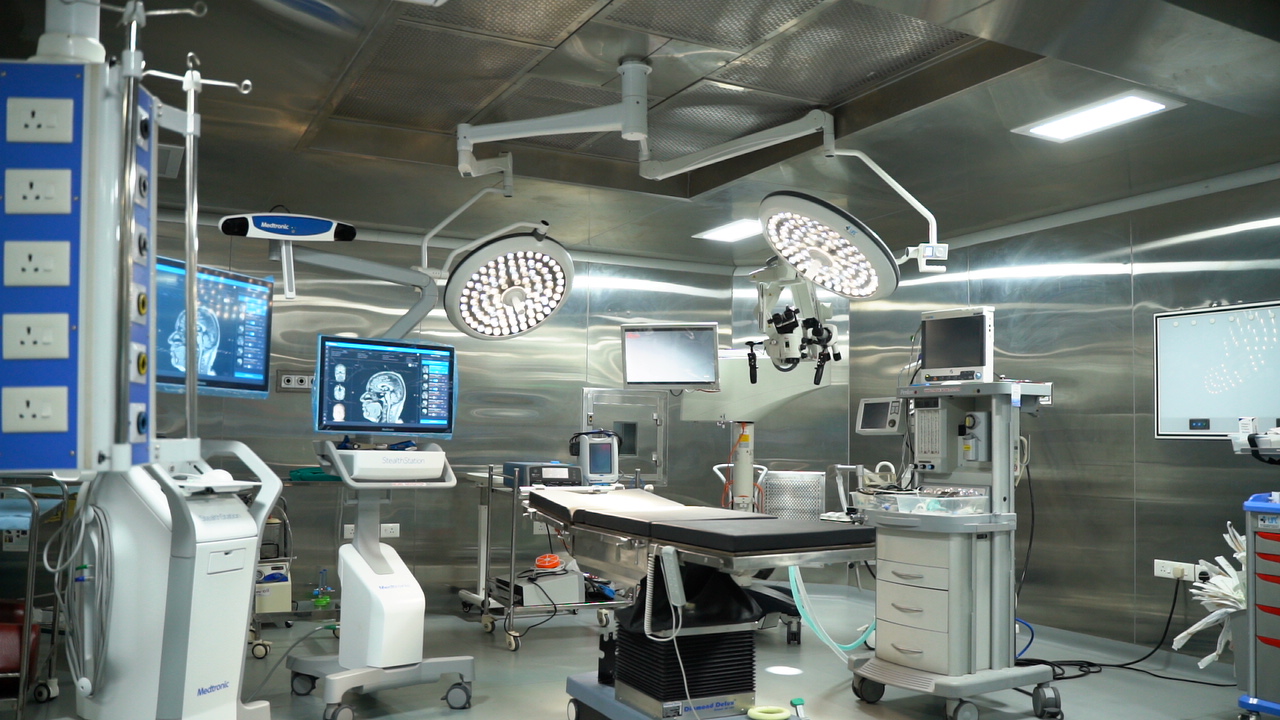
The high-tech neurosurgery operating room at Dr. Rao's Hospital, Guntur featuring advanced imaging and navigation systems for precise brain and spine surgeries.
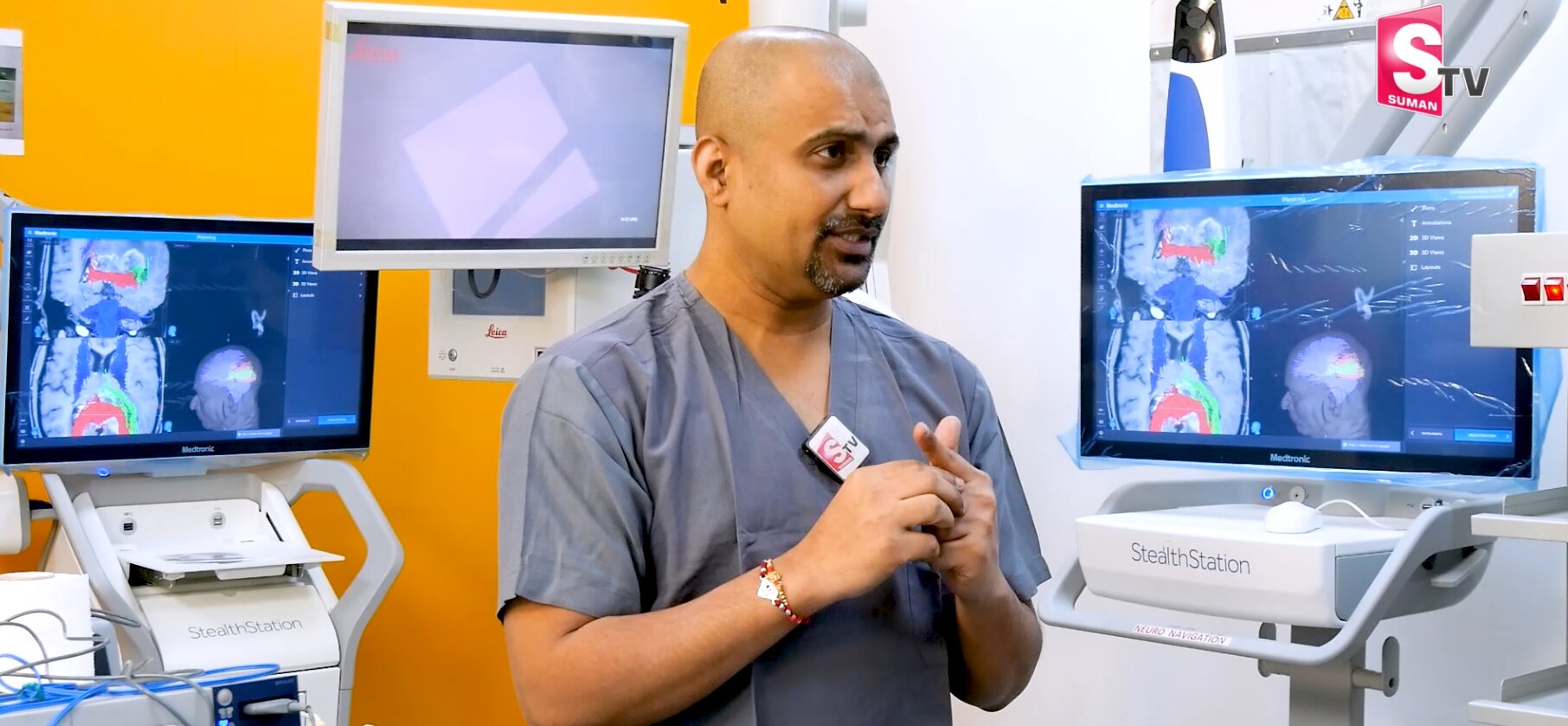
Dr. Mohana Rao Patibandla explaining advanced brain mapping and neuronavigation technology used in modern minimally invasive neurosurgery at Dr. Rao’s Hospital (International Institute of Neurosciences), Guntur.
Growing awareness of chronic back pain and nerve compression symptoms may help prevent permanent neurological damage through earlier diagnosis and treatment.
Growing awareness of chronic back pain and nerve compression symptoms may help prevent permanent neurological damage through earlier diagnosis and individualized treatment.
GUNTUR, Andhra Pradesh, India — Low back pain remains one of the leading causes of disability worldwide, affecting people across all age groups and occupations. While most episodes improve with conservative treatment, spine specialists caution that persistent back pain accompanied by neurological symptoms may indicate serious lumbar spine disorders requiring timely medical evaluation. Recognizing these warning signs early can help prevent permanent nerve injury, preserve mobility, and improve long-term quality of life.
Healthcare professionals note that many patients continue to self-medicate or attribute persistent symptoms to aging, physically demanding work, or prolonged sitting. However, delaying evaluation when neurological symptoms develop may allow progressive nerve compression and spinal degeneration to worsen, potentially limiting treatment options and affecting recovery.
According to specialists at Dr. Rao's Hospital – International Institute of Neurosciences (IIN), Guntur, increasing public awareness of "red flag" symptoms is essential as modern diagnostic imaging, minimally invasive surgical techniques, and multidisciplinary spine care continue to improve outcomes for appropriately selected patients.
"Back pain should never be evaluated by pain intensity alone," said Dr. Mohana Rao Patibandla, Founder and Chief Neurosurgeon at Dr. Rao's Hospital. "A patient with relatively mild pain may already have significant nerve compression, while someone with severe muscular pain may not require surgery. The goal is accurate diagnosis at the right time. Early evaluation allows us to protect neurological function, relieve nerve compression when necessary, and help patients return to active, independent lives."
Chronic Back Pain May Signal More Than Muscle Strain
Although muscle and ligament injuries account for many cases of acute back pain, symptoms lasting longer than 12 weeks or recurring frequently may reflect underlying structural problems affecting the lumbar spine.
Common causes include:
Lumbar disc herniation
Lumbar spinal stenosis
Degenerative disc disease
Spondylolisthesis
Facet joint arthritis
Osteoporotic vertebral fractures
Degenerative scoliosis
Spinal tumors
Spinal infections
Traumatic spinal injuries
These conditions can compress spinal nerves, reduce spinal stability, and interfere with normal movement, sensation, and muscle function.
Warning Signs That Require Prompt Medical Evaluation
Specialists recommend timely assessment if back pain is associated with:
Pain radiating into one or both legs (sciatica)
Persistent numbness or tingling in the legs or feet
Progressive weakness in the lower limbs
Difficulty walking or maintaining balance
Foot drop
Reduced walking endurance
Loss of sensation in the saddle region
Changes in bladder or bowel control requiring emergency medical attention
Severe pain that does not improve despite appropriate conservative treatment
Back pain associated with fever, unexplained weight loss, or a history of cancer
These symptoms may indicate nerve root compression, severe spinal stenosis, spinal infection, fracture, tumor, or other neurological conditions requiring urgent evaluation.
Modern Diagnosis Supports Earlier, More Precise Treatment
Advances in spinal imaging and neurological assessment enable physicians to diagnose lumbar spine disorders with greater precision than ever before.
Evaluation may include:
Comprehensive neurological examination
MRI of the lumbar spine
CT scan when clinically appropriate
Digital spinal X-rays
Bone density assessment in selected patients
Electrophysiological testing when indicated
Accurate diagnosis also helps distinguish lumbar spine disorders from hip disease, vascular disorders, peripheral neuropathy, and other conditions that may produce similar symptoms.
Every Patient Benefits From an Individualized Care Pathway
Modern spine care is tailored to the individual rather than relying on a single treatment approach.
Depending on the diagnosis, patients may benefit from:
Clinical evaluation and neurological assessment
Advanced imaging
Multidisciplinary review
Personalized conservative treatment
Physiotherapy and rehabilitation
Image-guided pain management procedures
Lifestyle and ergonomic modification
Follow-up monitoring
When progressive neurological weakness, disabling pain, spinal instability, or significant nerve compression is present, surgery may be recommended to relieve pressure on the nerves, restore spinal stability, and improve function.
Advances in Spine Surgery Continue to Improve Patient Care
Modern spine surgery has evolved significantly over the past decade. For appropriately selected patients, minimally invasive techniques may reduce tissue disruption, postoperative discomfort, blood loss, hospital stay, and recovery time while maintaining established surgical principles.
Advanced technologies supporting precision spine surgery may include:
Minimally invasive spine surgery
Endoscopic spine surgery
Stealth 8 Neuronavigation
Intraoperative Neuromonitoring (IONM)
High-definition operating microscopy
4K endoscopic visualization
Advanced spinal instrumentation
Enhanced recovery after surgery (ERAS) protocols
Comprehensive neurocritical care and rehabilitation
These technologies assist surgeons in protecting critical neural structures while providing precise decompression and stabilization based on each patient's condition.
Looking Beyond Pain
Experts emphasize that pain alone should not determine when medical care is sought.
Persistent neurological symptoms—including leg weakness, numbness, progressive walking difficulty, loss of balance, or declining muscle strength—often provide more important clues about spinal health than pain severity itself.
Early diagnosis may allow patients to benefit from less invasive treatment options before irreversible nerve damage develops.
Supporting Lifelong Spine Health
Although not every spinal disorder can be prevented, specialists encourage several practical measures that support long-term spinal health:
Maintain regular physical activity
Strengthen core and back muscles
Practice proper lifting techniques
Avoid prolonged sitting without movement
Maintain a healthy body weight
Stop smoking
Support bone health through proper nutrition and medical care
Seek prompt evaluation for persistent neurological symptoms
Increasing public awareness of these preventive strategies, together with early recognition of nerve compression symptoms, may reduce disability and improve outcomes for individuals living with chronic back pain.
About Dr. Mohana Rao Patibandla
Dr. Mohana Rao Patibandla is a fellowship-trained neurosurgeon and Founder and Chief Neurosurgeon of Dr. Rao's Hospital – International Institute of Neurosciences (IIN), Guntur, India. Following advanced subspecialty training in India and the United States, he specializes in minimally invasive brain and spine surgery, cerebrovascular and endovascular neurosurgery, skull base surgery, pediatric neurosurgery, neuro-oncology, and stereotactic radiosurgery. Dr. Rao has performed more than 15,000 neurosurgical procedures, including over 12,000 minimally invasive surgeries and 3,000 endovascular interventions, reflecting extensive experience across complex neurological conditions.
About Dr. Rao's Hospital – International Institute of Neurosciences (IIN)
Dr. Rao's Hospital – International Institute of Neurosciences (IIN), located in Guntur, Andhra Pradesh, is a comprehensive neuroscience center dedicated to advanced care for disorders of the brain, spine, nerves, and cerebrovascular system. The hospital provides multidisciplinary services in neurosurgery, neurology, spine surgery, neuro-oncology, neurocritical care, rehabilitation, and minimally invasive surgical techniques. Equipped with advanced technologies including Stealth 8 Neuronavigation, intraoperative neuromonitoring, high-definition microscopy, 4K endoscopy, hybrid operating facilities, and comprehensive neurocritical care, the institution is committed to evidence-based, patient-centered neurological care.
Media Contact
Dr. Rao's Hospital – International Institute of Neurosciences (IIN)
12-19-67, Old Bank Road, Kothapet, Besides AK Biryani Point, Guntur, Andhra Pradesh, India
Phone: +91 9010056444
Email: info@drraoshospitals.com
Website: https://drraoshospitals.com
Mohana Rao Patibandla
Patibandla Narayana Swamy Neurosciences LLP
+919010056444 ext.
email us here
Visit us on social media:
LinkedIn
Instagram
Facebook
YouTube
X
Best minimally invasive neurosurgery - Brain, Spine - Guntur - Dr. Rao's IIN
Legal Disclaimer:
EIN Presswire provides this news content "as is" without warranty of any kind. We do not accept any responsibility or liability for the accuracy, content, images, videos, licenses, completeness, legality, or reliability of the information contained in this article. If you have any complaints or copyright issues related to this article, kindly contact the author above.
